
Understanding Heavy Metals in Food & Prop 65: Separating Facts from Fear

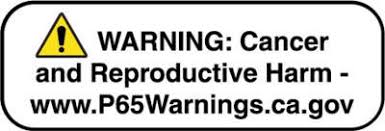
Unpopular opinion alert… As a functional medicine nurse practitioner with over a decade experience – and as someone who has battled cancer and is all-in on non-toxic living to prevent cancer recurrence – you might be shocked to know I’m not alarmed if a food product contains a Prop 65 label.
I need to explain my perspective because there’s more to this than what most people realize. In this article, we’re diving into:
- What are heavy metals and when they become a concern
- Why I do take heavy metal toxicity seriously (and where that exposure is actually coming from)
- The TDW Standard
- Prop 65 crash course
- Fear-mongering in the health space
- My recommendations on choosing safe products
- How to support your body’s natural detox pathways
Heavy Metals: Are They Always Bad for You?
Heavy metals are naturally occurring elements found in and around our planet. Some like zinc, iron, and copper are essential in small amounts for biological processes. Others, such as lead, mercury, and cadmium, can be toxic at higher concentrations.
But here’s what many people don’t realize: Trace amounts of heavy metals exist in our food because they are naturally found in our soil and water – in both organic and conventional soil. And our fruits, veggies, grains, and even cacao absorb them from the earth. Choosing real, natural foods means that tiny amounts of heavy metals will be inevitable.
What matters is the amount and frequency of exposure.
I am less concerned about trace exposure and more concerned about toxic and mass exposure. The real sources of high levels of heavy metal toxicity I have seen in my 12+ years experience as a practitioner, which should be taken VERY seriously and remediated/avoided at all costs include:
- Exposure to lead-based paint and/or lead water pipes in homes (hence the importance of water filtration)
- Heavy metal accumulation in the body due to mercury amalgam fillings
- Consistent (e.g. nearly daily) and prolonged consumption of high-mercury fish, including swordfish, certain types of tuna, king mackerel, marlin, tilefish, and orange roughy
Understanding Prop 65 Warnings
If you’ve ever flipped over a product and been startled by a Prop 65 warning, you’re not alone. At first glance, it feels alarming. But understanding what Prop 65 really means and how it differs from federal standards like those of the FDA can put things in perspective.
Proposition 65, officially known as the Safe Drinking Water and Toxic Enforcement Act of 1986, is a California law requiring businesses to provide warnings about significant exposures to certain chemicals. The intent is good: to inform consumers about potential risks. But the heavy metal thresholds set by Prop 65 are far more stringent than those established by federal regulatory bodies like the FDA or EPA. In some cases, they’re so low that even trace, naturally occurring amounts of a substance far below levels considered harmful can trigger a warning.
Let’s take a look at the FDA vs. Prop 65 for lead (a common heavy metal found naturally in soil and thus in trace amounts in many foods), as an example:
| Regulatory Body | Safe Intake Level for Lead | Ruling |
| Prop 65 | 0.5 micrograms/day (for reproductive harm) | Maximum allowable dose level |
| FDA | 12.5 micrograms/day (for adults in supplements) | Tolerable daily intake level |
That’s a 25x difference between what the FDA has established as a tolerable daily intake and what Prop 65 allows.
And this is why you might see a Prop 65 label on products made by health-conscious brands – nut butters, greens powders, etc. These items can contain tiny amounts of substances like lead or cadmium that are naturally present in soil and absorbed by plants, but they are still deemed safe by FDA standards..
I’m being very transparent here – SAVA Chocolate Bone Broth Protein exceeds Prop 65’s threshold due to naturally occurring compounds in the cacao, so you’ll start to see a Prop 65 warning on our website. Importantly, this does not mean the product is unsafe. It simply means we’re complying with legislation and being transparent.
My philosophy has been and always will be to hold SAVA products to the highest standard: we are highly selective about ingredient sourcing, we do continuous testing of our products, and we provide Certificates of Analysis (COAs) with detailed testing results in the FAQs section on each product page.
In short, a Prop 65 warning doesn’t automatically indicate a dangerous product. It often reflects California’s uniquely cautious regulatory stance.
The Problem with Fear-Mongering
In an era dominated by attention-driven algorithms, fear sells. Especially when it comes to health and wellness.
Clickbait headlines and viral posts often take legitimate scientific findings and twist them into alarming narratives. A study identifying trace levels of a heavy metal in a food product might become a headline screaming “Toxic Poison Found in Your Breakfast!” These distortions strip away scientific nuance in favor of “going viral.”
The psychological toll of this fear-mongering is not insignificant.
When people are constantly bombarded with messages that their food, water, or skincare products are “toxic,” it can lead to chronic anxiety and even conditions like orthorexia. What begins as a desire to be healthy can devolve into an obsession that undermines both mental and physical well-being.
There’s a better way. Responsible advocacy involves asking critical questions about ingredients and sourcing without inciting panic. It means seeking out credible sources, understanding dose and context, and recognizing that not all “chemicals” are harmful, nor are all “natural” substances safe. By promoting literacy over alarmism, we empower people to make informed choices grounded in science, not fear.
I want you to know that being 100% non-toxic is impossible in the modern world, and stressing over every single ingredient in your food can actually be more harmful to your health than the ingredient itself.
What SAVA Recommends
At SAVA, our philosophy around clean products is grounded in evidence-based, reasonable vigilance – not fear. We believe that striving for health shouldn’t mean living in constant anxiety over every ingredient label or warning sign, especially when those warnings (like Prop 65) often say more about legal thresholds than real risk.
So, what does matter when you’re looking for truly safe and high-quality products?
Look for Brands that Test and Share
Instead of relying solely on warning labels, look for brands that:
- Test for heavy metals, pesticides, and other contaminants in their raw materials and final products
- Use third-party labs to ensure unbiased results
- Are transparent about what they find – even if it means disclosing trace amounts of naturally occurring elements like lead or cadmium
- Use real food ingredients that come from the earth
Yes, some of these brands may still carry a Prop 65 label – especially in plant-based or mineral-rich products. But that doesn’t automatically make them “unclean.” In many cases, it just means they’ve chosen to comply transparently with California law rather than not disclose or reformulate with synthetic fillers.
Calm, Informed Consumerism
It is nearly impossible to eliminate every molecule of risk, but making informed, balanced decisions is still in our control. That means:
- Understanding the difference between trace heavy metal presence and toxic exposure
- Asking for real numbers and transparent data from companies
-
Trusting your body’s resilience and the science behind reasonable safety standards
At the end of the day, being health-conscious should feel empowering – not stressful. When you shop with calm curiosity instead of fear, you not only protect your well-being, you protect your peace of mind.
Detoxing Naturally
Our bodies were also intricately made to rid itself naturally of toxins. If you are interested in lowering your toxic exposure to heavy metals (as we all should!), we suggest:
- Using filtered water
- Avoiding high mercury fish in favor of omega-rich SMASH (sardines, mackerel, anchovies, salmon, herring) fish
- Ensuring your home does not contain lead paint or piping
- Getting mercury amalgams removed safely by a biological dentist
There are so many other ways to support your body’s natural detox pathways in our free detox ebook. These “everyday detox measures” are for all of us! And they include things like daily movement, body brushing, sweating, ensuring regular bowel movements, properly hydrating, prioritizing sleep, improving stress resilience, doing coffee enemas and castor oil packs, using targeted supplementation, and beyond.
If you are currently suffering from heavy metal toxicity, it is extremely important to be working with a provider in order to come up with a tailored plan based on your unique bio individuality and health factors.
Final Thoughts
In a world overflowing with labels, warnings, and wellness advice, it’s easy to feel overwhelmed – especially when you see something like a Prop 65 label on a product you thought was clean and trustworthy. But here’s the truth: not all warnings are cause for alarm.
Heavy metals exist naturally in soil, water, and air. They’re in the ground where our plants grow and the water animals drink. So yes, trace amounts will show up – even in organic kale, almonds, and yes, your favorite protein powder. That doesn’t mean these foods are unsafe. It means we live on earth, not in a lab.
The key is not to eliminate every trace of risk (an impossible goal), but to choose products and brands that prioritize transparency, testing, and integrity. Fear has no place in your wellness routine – only informed, empowered decisions.
Your Wellness Deep Dive
Thoughtful guidance, trusted education, and real conversations to help you feel more informed, supported, and fully present in the life you’re living. Explore simple ways to nourish your body, care for your family, and pursue wellness that helps you feel whole, restored, and fully alive.


